
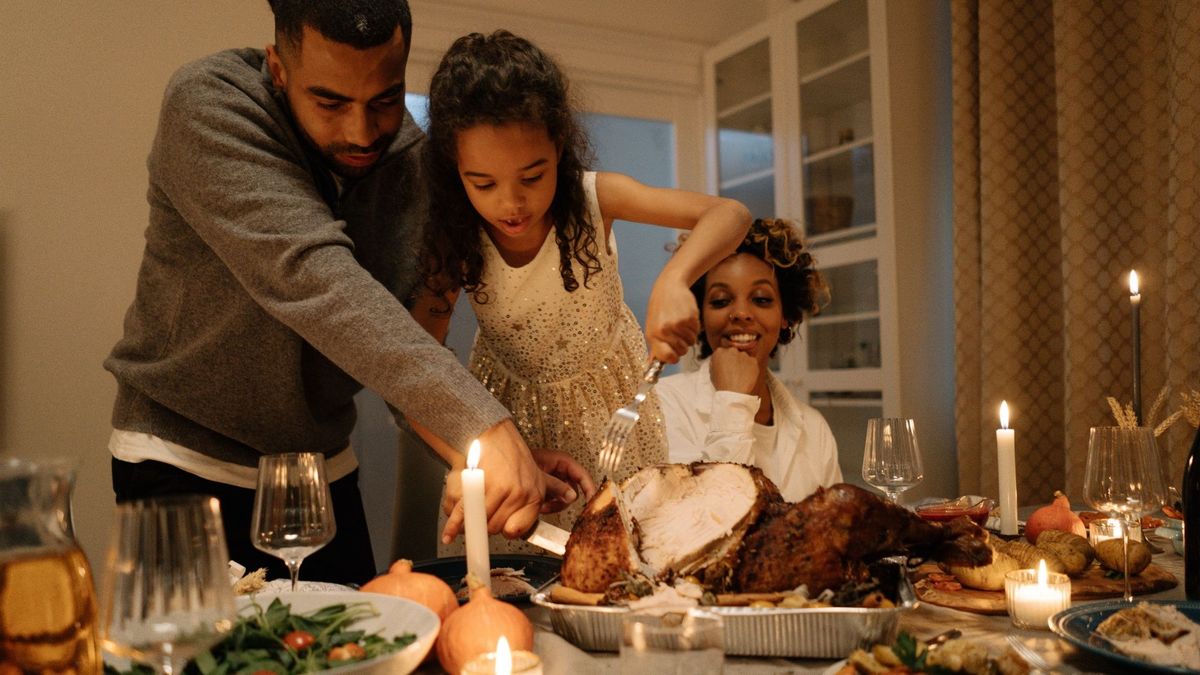
The holiday season is filled with joy, celebration, and family connections. However, for a child with autism and sensory sensitivities, the holidays often mean bright lights, loud noises, unfamiliar foods, and severe disruptions to their daily routine. With strategic preparation, you can help your child navigate these environments comfortably and ensure the whole family enjoys the season.
Priming and Preparation
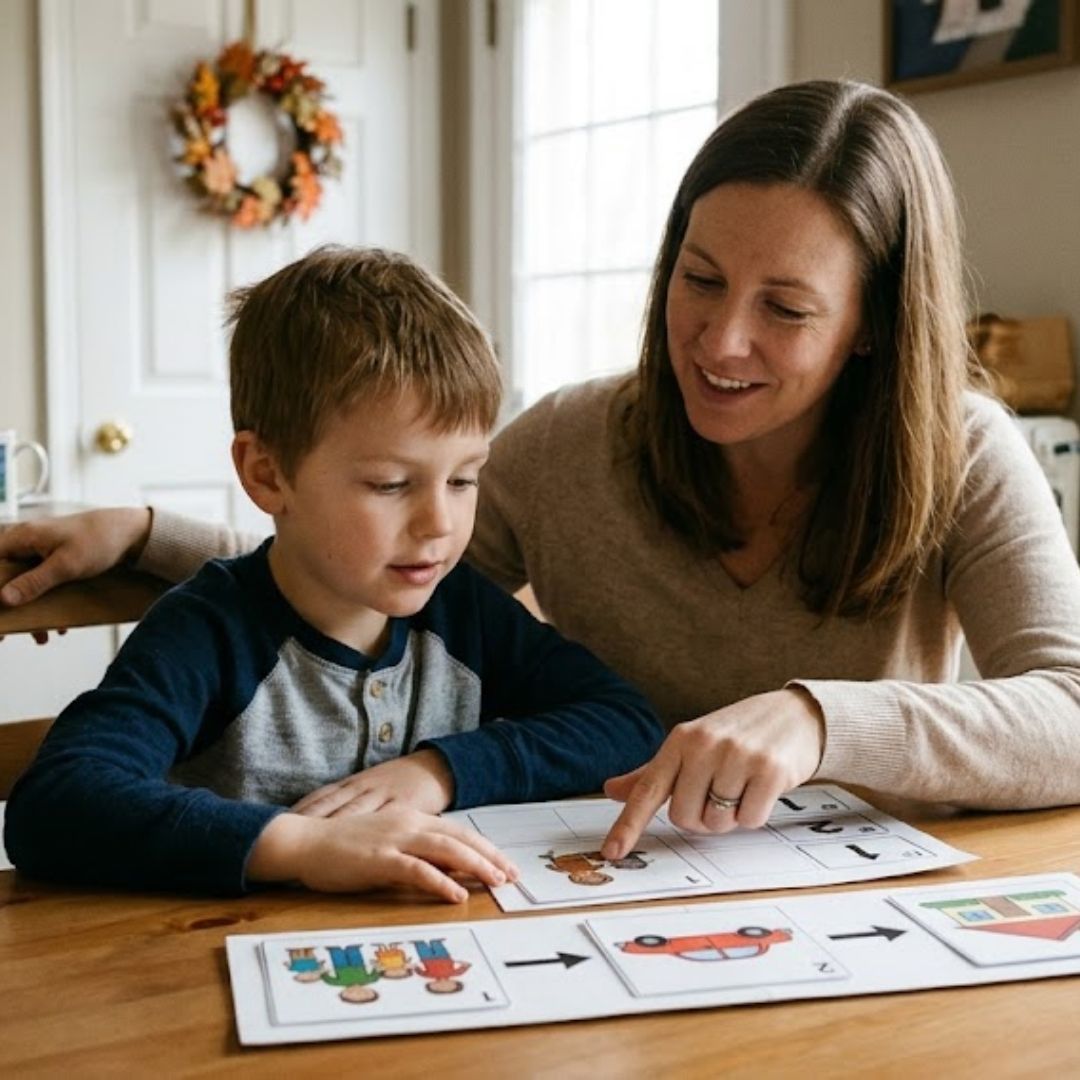
Children with autism thrive on predictability. Before attending a holiday event, use antecedent interventions—proactive steps taken before a behavior occurs. Show your child pictures of the relatives they will see and the home they will visit. Create a visual schedule detailing the sequence of events, from the car ride to dinner and the time you will leave. Knowing what to expect significantly reduces anxiety.
Establishing a Safe Space
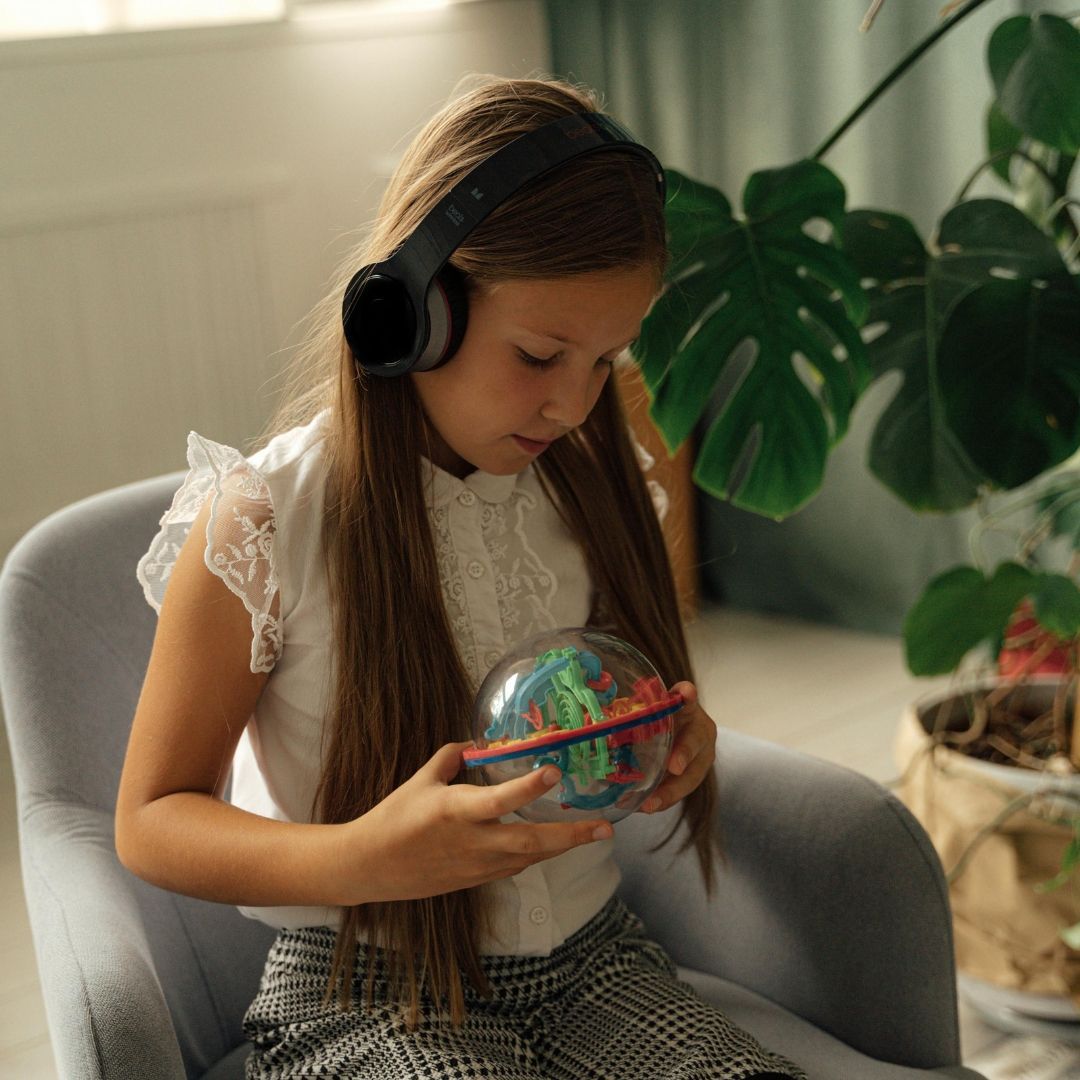
Holiday parties are inherently chaotic. Before arriving, speak with the host about designating a quiet, low-traffic room where your child can retreat if they begin to feel overwhelmed. Equip this space with familiar, comforting items like their favorite books, noise-canceling headphones, or a preferred sensory toy. Having a guaranteed escape route prevents sensory overload from escalating into a full meltdown.

Navigating Food and Dining Expectations
Holiday meals often feature novel textures and strong smells that can trigger sensory aversions. Remove the pressure to participate in a traditional sit-down dinner. Bring your child’s preferred foods and allow them to eat prior to the gathering or in a separate, quieter space if the dining room becomes too loud. Do not force them to try new holiday dishes, as this can create unnecessary mealtime stress.
Setting Boundaries with Relatives
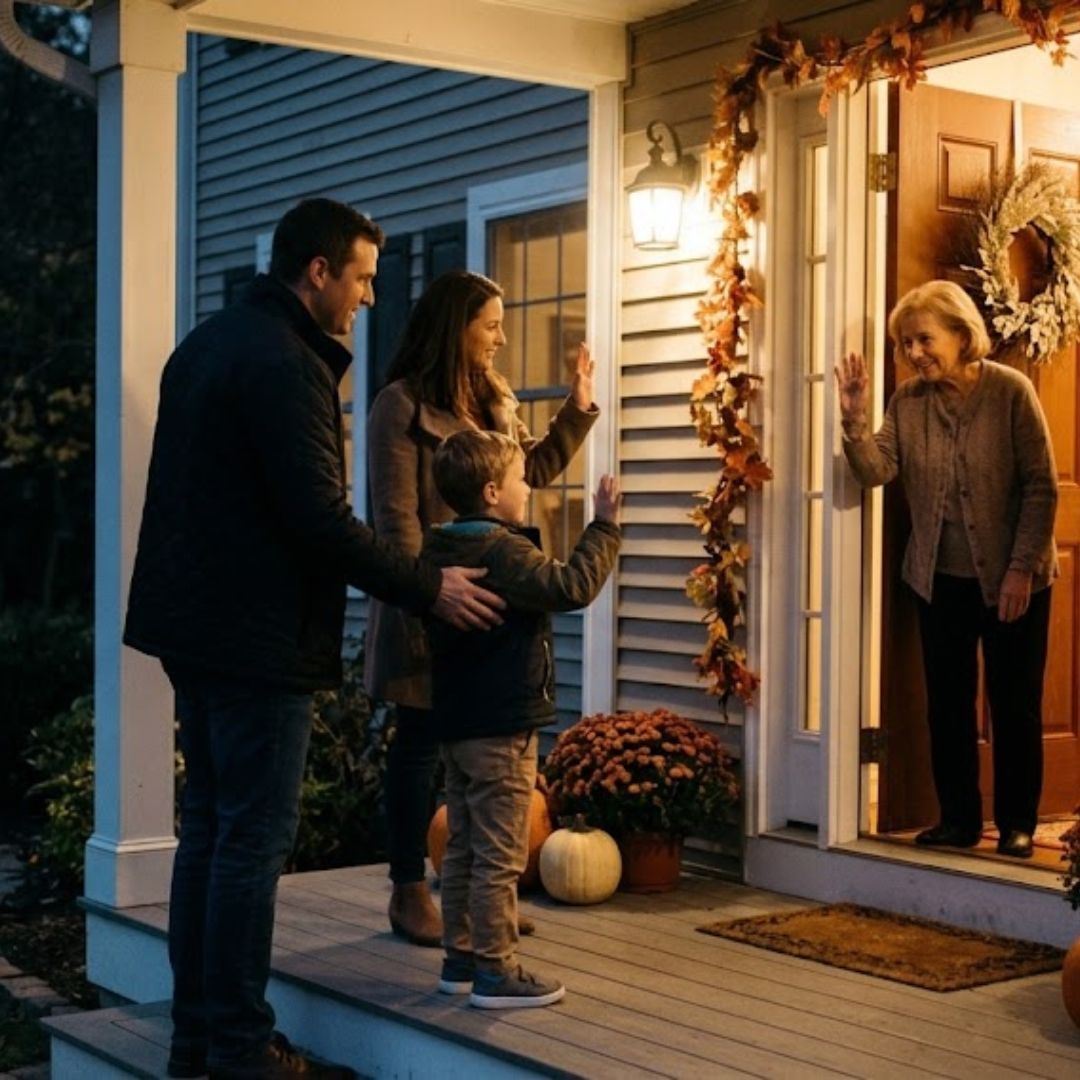
Family members may not fully understand your child's needs. Advocate for your child by gently setting boundaries in advance. Explain that your child may not want to give hugs or make eye contact, and suggest alternative greetings like a high-five or a wave. Keep your visit relatively short; it is always better to leave on a positive note than to push your child past their tolerance threshold.
Support for Every Season
At ACG Therapy Center, we believe in equipping families with the tools they need to thrive during the holidays and beyond. Our individualized ABA programs focus on building coping skills and expanding tolerance in supportive environments. Reach out to ACG Therapy Center today to schedule an assessment.
References:
Knight, V. F., Sartini, E. C., & Spriggs, A. D. (2015). Evaluating visual activity schedules as evidence-based practice for individuals with autism spectrum disorders. Journal of Autism and Developmental Disorders, 45(1), 157-178.
Luiselli, J. K. (2008). Antecedent (preventive) intervention. In J. K. Luiselli, D. C. Russo, W. P. Christian, & S. M. Farnum (Eds.), Effective practices for children with autism: Educational and behavioral support interventions that work (pp. 393–412). Oxford University Press.