

If your toddler or preschooler has been diagnosed with Autism Spectrum Disorder (ASD), you may have a lot of questions about what therapy will actually look like. Will it feel like school? Will your child have to sit at a table for hours? Will there be time to play?
For many families, the answer may look much more natural than they expect.
Today, ABA therapy for young children can be play-based, engaging, and built around the things that already interest your child. Rather than trying to change who your child is, a neuroaffirming approach focuses on supporting communication, connection, independence, and skills that can make everyday life easier.
If you're exploring ABA services in Gainesville, FL, understanding what early ABA therapy can look like may help make the process feel a little less overwhelming.
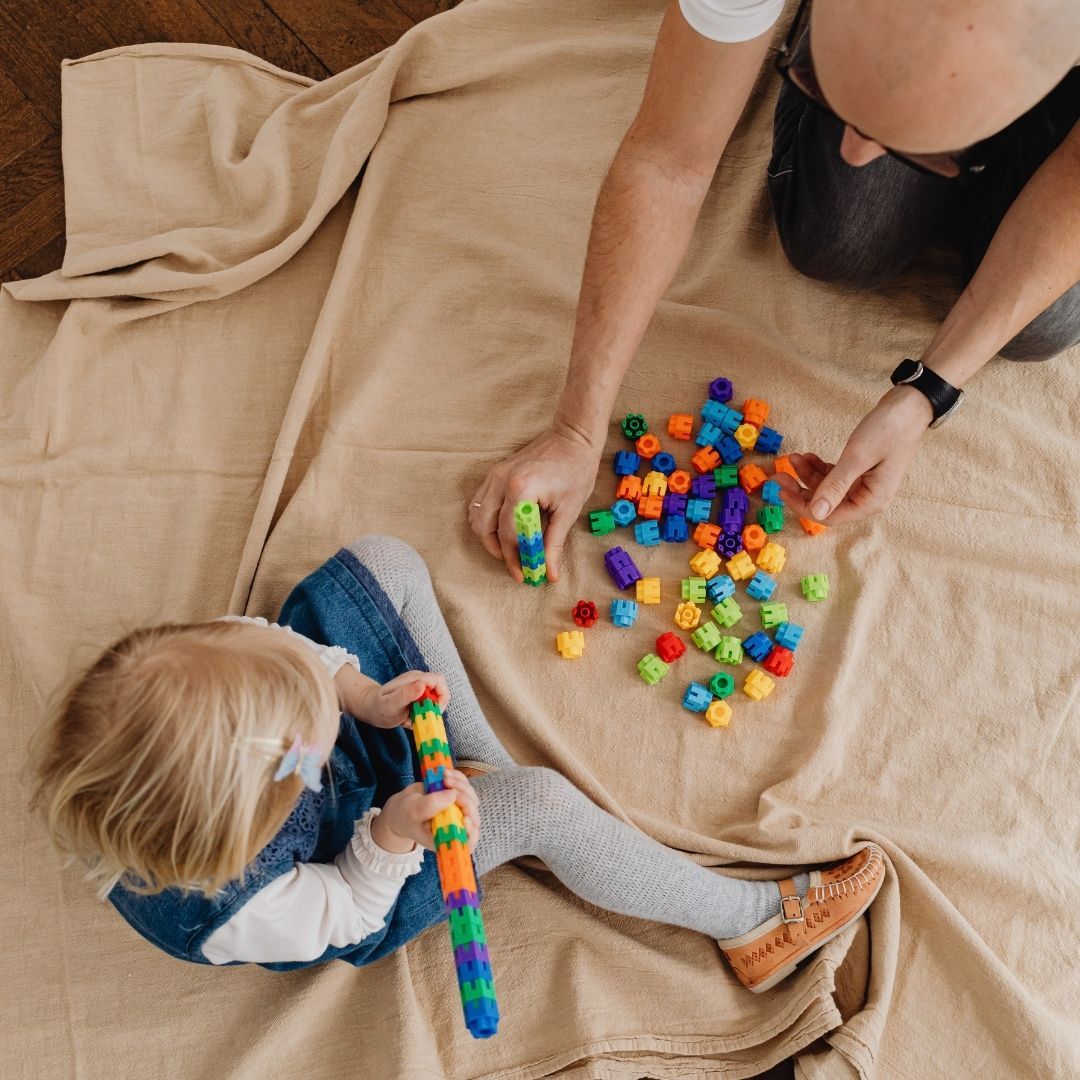
Learning Through Play and Everyday Moments
Toddlers and preschoolers learn through play, exploration, and relationships. ABA therapy can take advantage of those natural learning opportunities rather than expecting a young child to spend long periods sitting still and completing structured tasks.
Natural Environment Training (NET) is one approach therapists may use. Instead of separating learning from play, therapists incorporate skill-building into activities your child already enjoys.
Maybe your child loves cars. A therapist might use car play to practice taking turns, requesting a favorite car, following simple directions, or communicating "more."
If your child loves bubbles, that interest might become an opportunity to practice requesting, waiting, sharing attention, or communicating "all done."
The goal is to make learning meaningful and connected to your child's interests—not to take the fun out of being a toddler.
Some Structured Learning, Too
Play isn't the only way children learn. Sometimes a little extra structure can help a child practice a new skill successfully.
Discrete Trial Training (DTT) is one structured teaching approach that may be incorporated into an ABA program. With young children, these teaching opportunities are typically kept brief and adapted to their developmental level. A therapist may break a new skill into smaller steps, provide support when needed, and celebrate progress along the way.
Importantly, structured teaching doesn't have to mean a rigid or joyless experience. A thoughtful therapist knows when to practice a skill, when to follow the child's lead, and when it's simply time to play.
Encouraging Skills That Matter to Your Child
Reinforcement is another important part of ABA. In simple terms, therapists notice what motivates a child and use those interests and preferences to encourage meaningful skills.
For example, if a child loves a particular song, toy, movement activity, or sensory experience, those preferences can become part of the learning process.
The focus should be on encouraging functional skills that help a child communicate and participate in the world around them. That might include asking for something they want, learning to communicate "no," getting help when they need it, participating in routines, playing with others, or becoming more independent with everyday activities.
It's also important to remember that communication doesn't always look the same for every child. Gestures, pictures, signs, speech-generating devices, vocalizations, and spoken language can all be meaningful ways for a child to express themselves.
Following Your Child's Lead
One of the most important parts of working with young children is building trust.
Therapy should give your child opportunities to make choices, express preferences, take breaks, and engage with activities that are meaningful to them. When therapists pay attention to a child's communication and interests, they can create learning opportunities that feel more natural and motivating.
That relationship matters. A child who feels safe, understood, and respected is in a much better position to explore, learn, and build new skills.
Parents Are an Important Part of the Team
Your child's therapist only sees a small part of your child's day. You know what makes them laugh, what they love, what routines are challenging, and what helps them feel comfortable.
That's why caregiver involvement can be such an important part of ABA therapy.
Therapists can work with parents and caregivers to build practical strategies into everyday routines—whether that's getting dressed in the morning, preparing meals, playing together, going to the grocery store, or getting ready for bed.
The goal isn't to turn parents into therapists. It's to give families tools and support they can comfortably use in real life.
What Early ABA Can Look Like
Every child is different, so there isn't one "typical" ABA session. Your child's therapy may include a combination of:
Play and child-led activities
Communication and language support
Social interaction and turn-taking
Learning through everyday routines
Short, structured teaching activities
Opportunities to make choices and express preferences
Practice with self-care and independence
Caregiver coaching and collaboration
Most importantly, therapy should grow and change as your child does.
Supporting Your Child's Growth—Starting Where They Are
Early support can give young children more opportunities to develop communication, independence, and other skills that are meaningful to them. But early intervention doesn't mean rushing childhood or trying to make a child appear less autistic.
At ACG Therapy Center, we bring more than 20 years of clinical experience to individualized ABA services for children and families. Our team combines evidence-based practices with a compassionate, play-based approach designed around each child's strengths, interests, needs, and goals.
If you're considering ABA therapy in Gainesville, FL, we'd love to help you understand what therapy could look like for your child and your family.
Contact ACG Therapy Center to schedule a free consultation and take the first step toward supportive, meaningful care.
References:
Lovaas, O. I. (1987). Behavioral treatment and normal educational and intellectual functioning in young autistic children. Journal of Consulting and Clinical Psychology, 55(1), 3-9.
Dawson, G., Rogers, S., Munson, J., Smith, M., Winter, J., Greenson, J., ... & Vismara, L. (2010). Randomized, controlled trial of an intervention for toddlers with autism: the Early Start Denver Model. Pediatrics, 125(1), e17-e23.