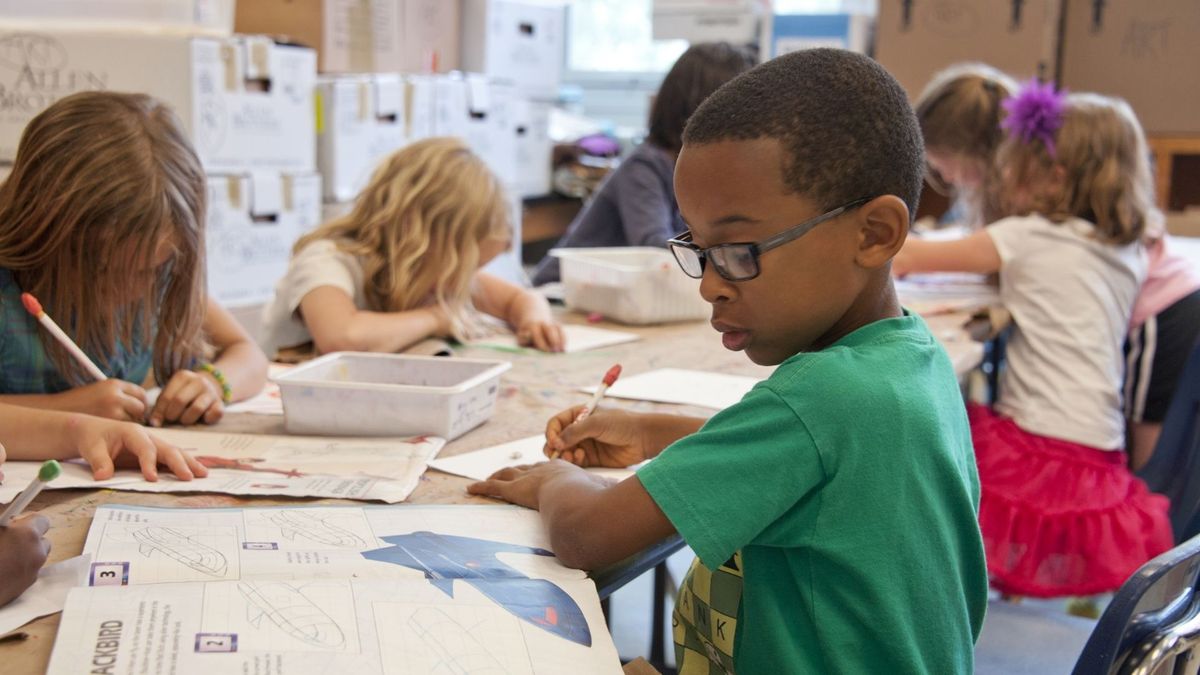
Transitioning a child into a traditional classroom comes with unique opportunities and challenges. While many families initially ask, "Can ABA therapy be done at school?" the next logical step is understanding exactly how it functions in real time. Integrating ABA therapy in schools is not about isolating the child; rather, it is about providing seamless, ongoing behavioral support throughout their day. For families exploring autism services in Gainesville, knowing what to expect from school-based therapy can ease this educational transition and highlight the incredible benefits of the approach.
Individualized Support in the Classroom
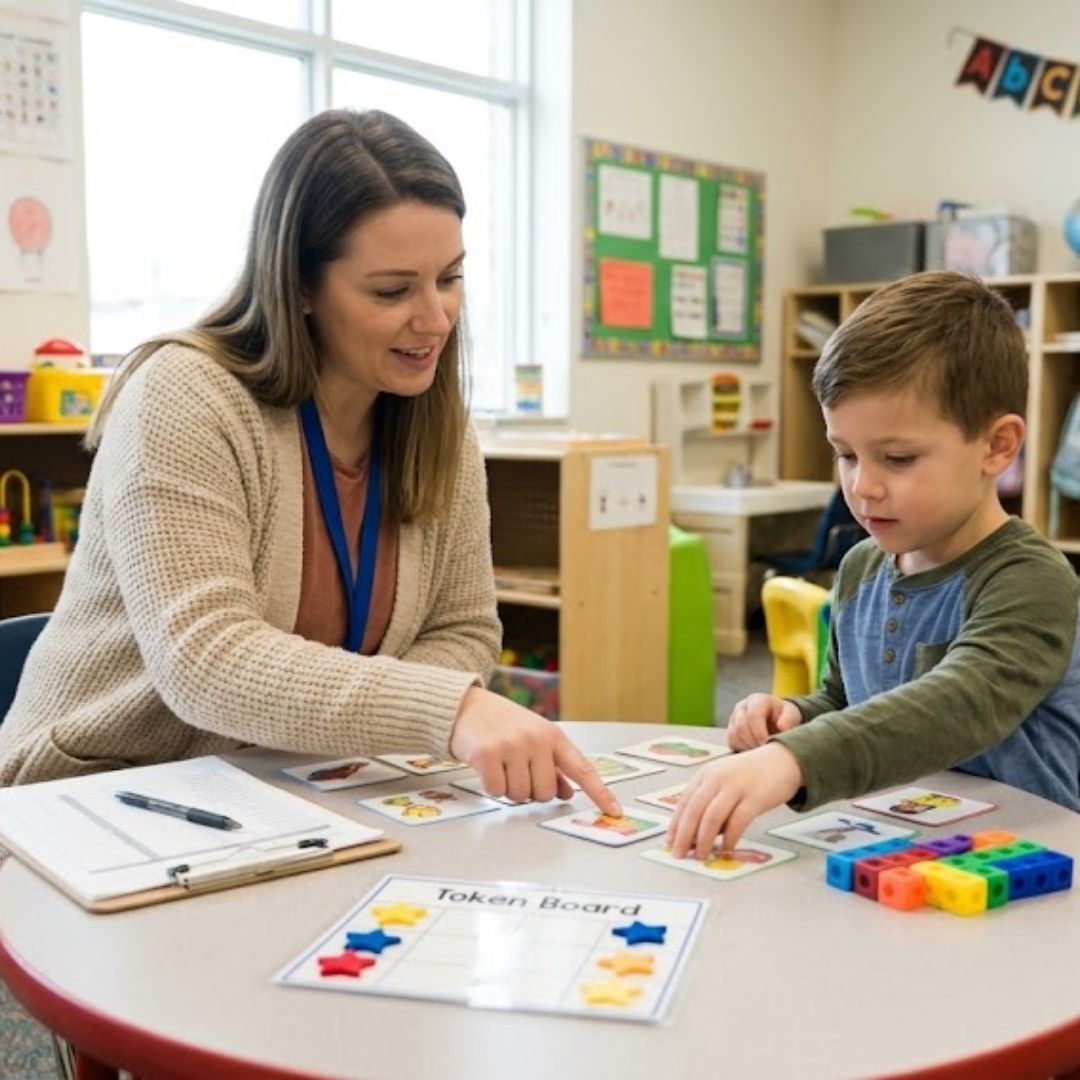
When a child receives ABA therapy at school, a trained behavior technician typically accompanies them in the classroom environment. This professional does not take over the teacher’s role. Instead, they provide individualized prompting and positive reinforcement. They help the student stay on task, follow group instructions, and manage academic frustrations in real time, ensuring the child remains fully integrated with their peers.

Fostering Peer Interactions and Social Skills
One of the most significant advantages of school-based therapy is the daily opportunity for socialization. The school environment is filled with peers, making it the perfect place to practice sharing, turn-taking, and conversation. The therapist actively facilitates these social interactions, using evidence-based, scientifically proven strategies to help the child confidently build meaningful friendships in a natural setting.
Behavioral Support During Transitions
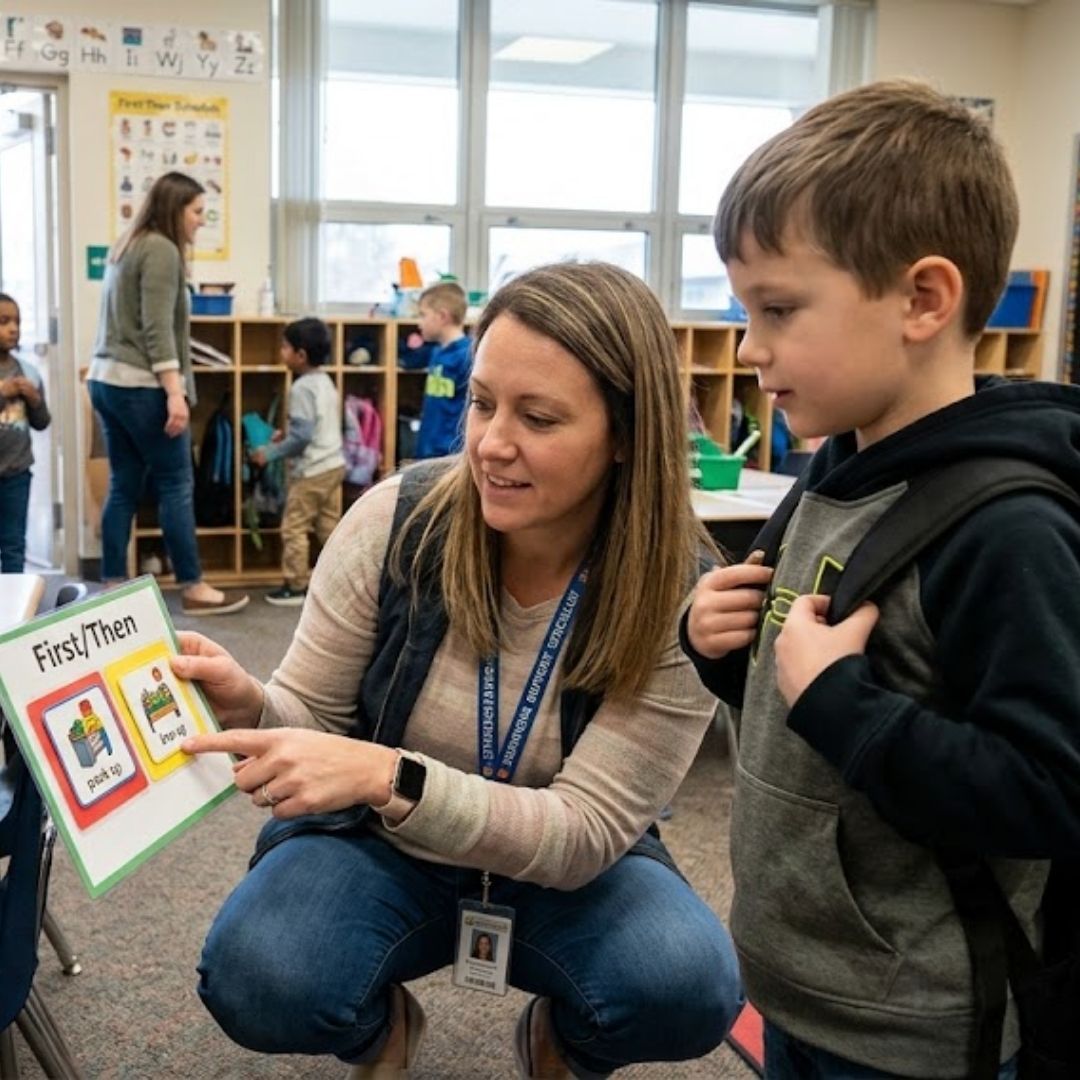
Schools require students to navigate complex transitions—such as moving from the classroom to the cafeteria, or shifting from recess back to focused learning. These routine shifts can cause anxiety for children with autism. An ABA professional provides proactive behavioral support during these times, teaching the child vital self-regulation skills. This consistency is a hallmark of effective ABA therapy in Gainesville, FL.

Data-Driven Progress Tracking
Just like in a clinic setting, therapy in the classroom relies heavily on rigorous data collection. Behavior analysts continuously monitor the student’s progress on their specific goals, making scientifically sound adjustments to the intervention plan as needed. This data is shared transparently with both parents and educators to ensure everyone is on the exact same page regarding the child's development.
Partner With Local Experts Today
Navigating the educational system can feel overwhelming, but your family doesn't have to do it alone. ACG Therapy Center offers comprehensive, evidence-based therapy tailored to your child's unique needs. If you are interested in top-rated ABA therapy in Gainesville and want to explore school-based options, contact ACG Therapy Center today to schedule a consultation!
References:
Bellini, S., Peters, J. K., Benner, L., & Hopf, A. (2007). A meta-analysis of school-based social skills interventions for children with autism spectrum disorders. Remedial and Special Education, 28(3), 153–162.
Locke, J., Shih, W., Kretzmann, M., & Kasari, C. (2016). Examining playground engagement between elementary school children with autism spectrum disorder and their typically developing peers. Autism, 20(6), 653–661.
Riley-Tillman, T. C., Chafouleas, S. M., & Briesch, A. M. (2007). A school practitioner's guide to using applied behavior analysis. Assessment for Effective Intervention, 32(2), 108–115.